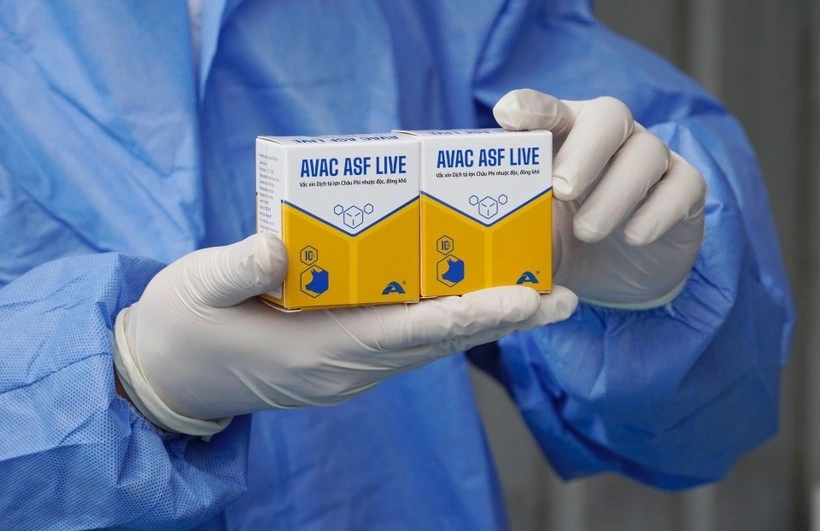
New import controls could be introduced by November as authorities seek relief for the country’s struggling pig sector.


Falling farmgate prices and growing concerns among pig producers have prompted the Philippine Department of Agriculture (DA) to consider temporary measures that could slow the entry of imported pork into the Philippines. The agency is studying options that include quantitative restrictions and a temporary suspension of sanitary and phytosanitary import clearances (SPSICs) for selected pork products as it seeks to support a domestic industry facing weaker returns.
The move follows mounting complaints from local hog raisers, who argue that continued imports have contributed to declining prices and shrinking incomes. According to local media reports, farmgate prices have fallen to as low as USD 1.94-2.58/kg (USD 1 = PHP 62) in some areas, well below the industry’s proposed floor price of USD 3.39 per kilogram.
Agriculture Secretary Francisco Tiu Laurel Jr said the DA is targeting the first week of November for the possible implementation of restrictions, pending legal review and government approvals.
Among the measures being considered is a temporary halt in the issuance of SPSICs for selected pork products, including belly, shoulder, pork jowls and whole pig. The proposed suspension would last between 30 and 60 days.


Mr Tiu Laurel said the DA would apply the measure only to future import transactions and exempt shipments already paid for or in transit. The DA is consulting its legal, policy and planning units before proceeding.
The agency’s search for alternative solutions stems from limitations within the existing safeguard mechanism.
According to Mr Tiu Laurel, safeguard duties can only be triggered if pork imports increase by at least 25%. However, imports increased by only about 6-7% year-on-year, remaining below the threshold required to trigger safeguard measures.
Latest Bureau of Animal Industry data show pork imports reached 602,650 tons from January to August, up 5.18% from 573,090 tons during the same period last year. Pork accounted for more than half of the country’s total meat imports of 1.14 million tons during the eight-month period.
Earlier in October, the DA launched a preliminary safeguard investigation into imported pork after an initial assessment found prima facie evidence suggesting that rising imports are harming local producers.
The review found that rising imports are contributing to pressure on local producers. It pointed to lower farmgate prices, weaker incomes and declining market share.
The DA is considering import curbs and higher tariffs after its preliminary review found evidence that rising imports are hurting local producers.
Despite the proposed restrictions, the DA maintains that domestic supply remains adequate. Mr Tiu Laurel said the country currently holds about 170 days’ worth of pork stocks, suggesting that temporary restrictions would not create supply shortages.
Meanwhile, the Tariff Commission is reviewing a separate DA petition seeking higher tariffs on imported pork. The department also confirmed that applications under the minimum access volume program for 2027 will continue. Officials noted that the mechanism is part of the country’s trade commitments.




Subscribe now to the technical pig magazine
AUTHORS

Bifet Gracia Farm & Nedap – Automated feeding in swine nurseries

The importance of Water on pig farms
Fernando Laguna Arán
Microbiota & Intestinal Barrier Integrity – Keys to Piglet Health
Alberto Morillo Alujas
Impact of Reducing Antibiotic use, the Dutch experience
Ron Bergevoet
The keys to successful Lactation in hyperprolific sows
Mercedes Sebastián Lafuente
Addressing the challenge of Management in Transition
Víctor Fernández Segundo
Dealing with the rise of Swine Dysentery
Roberto M. C. Guedes
Actinobacillus pleuropneumoniae – What are we dealing with?
Marcelo Gottschalk
The new era of Animal Welfare in Pig Production – Are we ready?
Antonio Velarde
Gut health in piglets – What can we do to measure and improve it?
Alberto Morillo Alujas
Interview with Cristina Massot – Animal Health in Europe after April 2021
Cristina Massot
Differential diagnosis of respiratory processes in pigs
Desirée Martín Jurado Gema Chacón Pérez


To provide the best experiences, we use technologies like cookies...