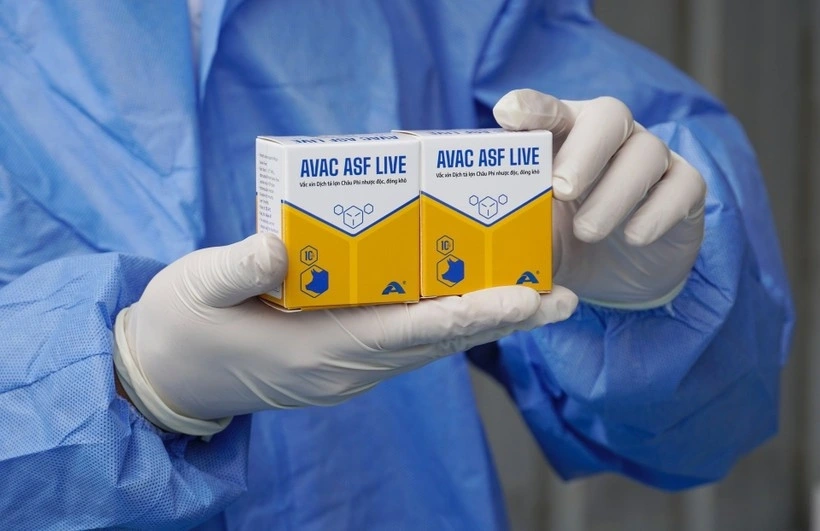
Farmgate-retail gap persists: pork sells at USD 2.42 per kilo, yet consumer prices remain high, highlighting supply-chain inefficiencies.





Philippine pig producers and the Department of Agriculture (DA) are pushing for phased tariff hikes on imported pork to stabilize farmgate prices and restore industry confidence. The debate highlights the tension between short-term consumer affordability and long-term food security.
Live pig prices have dropped from USD 3.47/kg in June 2025 to USD 2.42 in August 2026. Producers argue that without stronger safeguards, many small farms may exit the market. The DA, led by Secretary Francisco Tiu Laurel Jr, has proposed restoring tariffs to pre-African swine fever levels.
The plan would raise in-quota rates from 15% to 25% in 2027, then to 30% in 2028, while out-quota rates would climb from 25% to 35% and eventually 40%. Industry groups also pressed for quantitative restrictions, stricter import scrutiny, and updated reference values to prevent undervaluation.
The Philippine Swine Institute (PSI) has warned that rising dependence on imports could undermine recovery. Between 2024 and 2025, domestic swine output fell by 2.7%, while imports rose by 16.1%, reaching 851,760 tons.

PSI stressed that repopulation programs must be matched with profitability. Farmers may receive breeding stock, but without viable market conditions, they may still leave the industry. The institute called for a national pork-supply monitoring system to track production, imports, inventories, and prices in real time.
Officials acknowledge that imported pork remains vital during shortages. However, they argue that cheap farmgate pork does not automatically translate to lower consumer prices, as supply-chain inefficiencies absorb margins.
The DA is also seeking a tariff line for frozen pork jowls, which have become a major import item due to lower tariff treatment. These cuts increasingly compete with local pork in retail and food service.
Industry groups requested DA support in securing loans from the Development Bank of the Philippines to access US facilities for importing feed raw materials such as corn, wheat, and soybeans. Rising feed costs remain a critical challenge for producers, affecting margins and investment decisions.
The debate underscores a broader policy question: should imports fill temporary gaps or become a structural feature of the pork market? PSI argues that the Philippines must pursue managed imports, accelerated domestic recovery, disease control, and supply-chain efficiency.
For the DA, tariff restoration is a legal and practical tool to protect producers while ensuring fair competition. Whether these measures can stabilize farmgate prices and encourage investment will determine the industry’s resilience heading into 2027.



Subscribe now to the technical pig magazine
AUTHORS

Bifet Gracia Farm & Nedap – Automated feeding in swine nurseries

The importance of Water on pig farms
Fernando Laguna Arán
Microbiota & Intestinal Barrier Integrity – Keys to Piglet Health
Alberto Morillo Alujas
Impact of Reducing Antibiotic use, the Dutch experience
Ron Bergevoet
The keys to successful Lactation in hyperprolific sows
Mercedes Sebastián Lafuente
Addressing the challenge of Management in Transition
Víctor Fernández Segundo
Dealing with the rise of Swine Dysentery
Roberto M. C. Guedes
Actinobacillus pleuropneumoniae – What are we dealing with?
Marcelo Gottschalk
The new era of Animal Welfare in Pig Production – Are we ready?
Antonio Velarde
Gut health in piglets – What can we do to measure and improve it?
Alberto Morillo Alujas
Interview with Cristina Massot – Animal Health in Europe after April 2021
Cristina Massot
Differential diagnosis of respiratory processes in pigs
Desirée Martín Jurado Gema Chacón Pérez


To provide the best experiences, we use technologies like cookies...