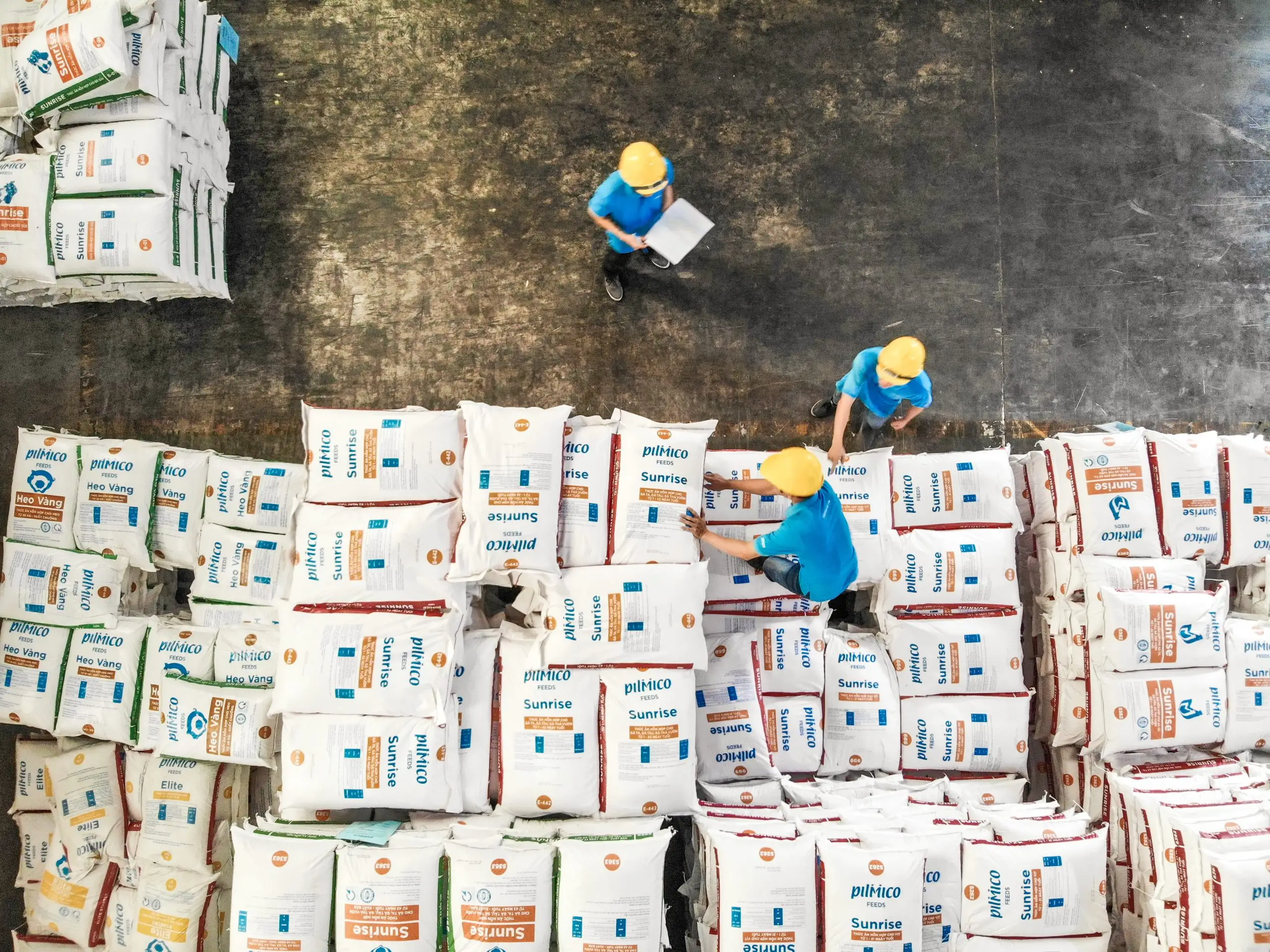
Vietnam’s meat industry is demonstrating two major trends: enhancing export value and diversifying export markets.





Vietnam’s meat industry recorded encouraging gains in meat exports, with higher export value and wider international reach during Q1 2026, even as shipment volumes declined.
Data from the Vietnam Customs Department, show a divergence between shipment volumes and export earnings.
Meat and meat product exports totaled 4600 tons, down 13.7% year‑on‑year. Yet export value rose 11.3% to USD 33.32 million, reflecting stronger global prices and a shift toward higher value‑added products. Shipments reached 21 countries and territories, underscoring Vietnam’s growing international footprint despite volume pressures
Market insight: The contrast between lower export volumes and higher export value indicates that Vietnamese exporters are increasingly focusing on higher value-added products or benefiting from stronger global meat prices.


Vietnam’s export portfolio remains diverse, though performance varied across destinations.
Hong Kong retained its position as the largest market, accounting for more than half of total export value. Shipments, however, fell 36.2% year‑on‑year, mainly in suckling pork and frozen whole pigs.
Several traditional partners—including Canada, Malaysia, South Korea, and the Netherlands—also recorded downturns, reflecting softer demand and tighter competition.
By contrast, exports to China, France, Singapore, Japan, the US, and Cambodia expanded. These gains illustrate Vietnam’s push to diversify and reduce reliance on established markets, while tapping into regions with rising demand for quality meat products.
The product mix continues to evolve, with exporters focusing on processed and specialty items that command higher margins. This shift aligns with global consumer trends favoring traceability, safety, and convenience.

Despite global economic uncertainties, two clear trends are shaping Vietnam’s meat industry.
Exporters are prioritizing product quality and value‑added processing to sustain revenue growth despite declining shipment volumes.
At the same time, diversification into demanding markets such as the US, France, and Japan is expected to strengthen long‑term sustainability and reduce risks from overreliance on traditional partners.

Subscribe now to the technical pig magazine
AUTHORS

Bifet Gracia Farm & Nedap – Automated feeding in swine nurseries

The importance of Water on pig farms
Fernando Laguna Arán
Microbiota & Intestinal Barrier Integrity – Keys to Piglet Health
Alberto Morillo Alujas
Impact of Reducing Antibiotic use, the Dutch experience
Ron Bergevoet
The keys to successful Lactation in hyperprolific sows
Mercedes Sebastián Lafuente
Addressing the challenge of Management in Transition
Víctor Fernández Segundo
Dealing with the rise of Swine Dysentery
Roberto M. C. Guedes
Actinobacillus pleuropneumoniae – What are we dealing with?
Marcelo Gottschalk
The new era of Animal Welfare in Pig Production – Are we ready?
Antonio Velarde
Gut health in piglets – What can we do to measure and improve it?
Alberto Morillo Alujas
Interview with Cristina Massot – Animal Health in Europe after April 2021
Cristina Massot
Differential diagnosis of respiratory processes in pigs
Desirée Martín Jurado Gema Chacón Pérez